Which business freight most often travels from the UK to Lithuania and what to plan
Practical UK→LT logistics scenarios for construction, retail, garages, manufacturing and e-commerce businesses: handling, consolidation and documents.

A construction company, an online shop and a garage need completely different transport planning. Instead of a general “industry analysis”, this guide shows the specific UK→LT logistics questions different businesses face.
Different businesses ship very different freight from the UK to Lithuania, so “commercial transport” isn't one universal scenario. For one company the priority is collecting a pallet directly from the supplier, for another it's gathering several orders from different UK locations, and for a third it's planning the loading of heavy or non-standard freight in advance.
For construction and interiors businesses, weight and handling come first
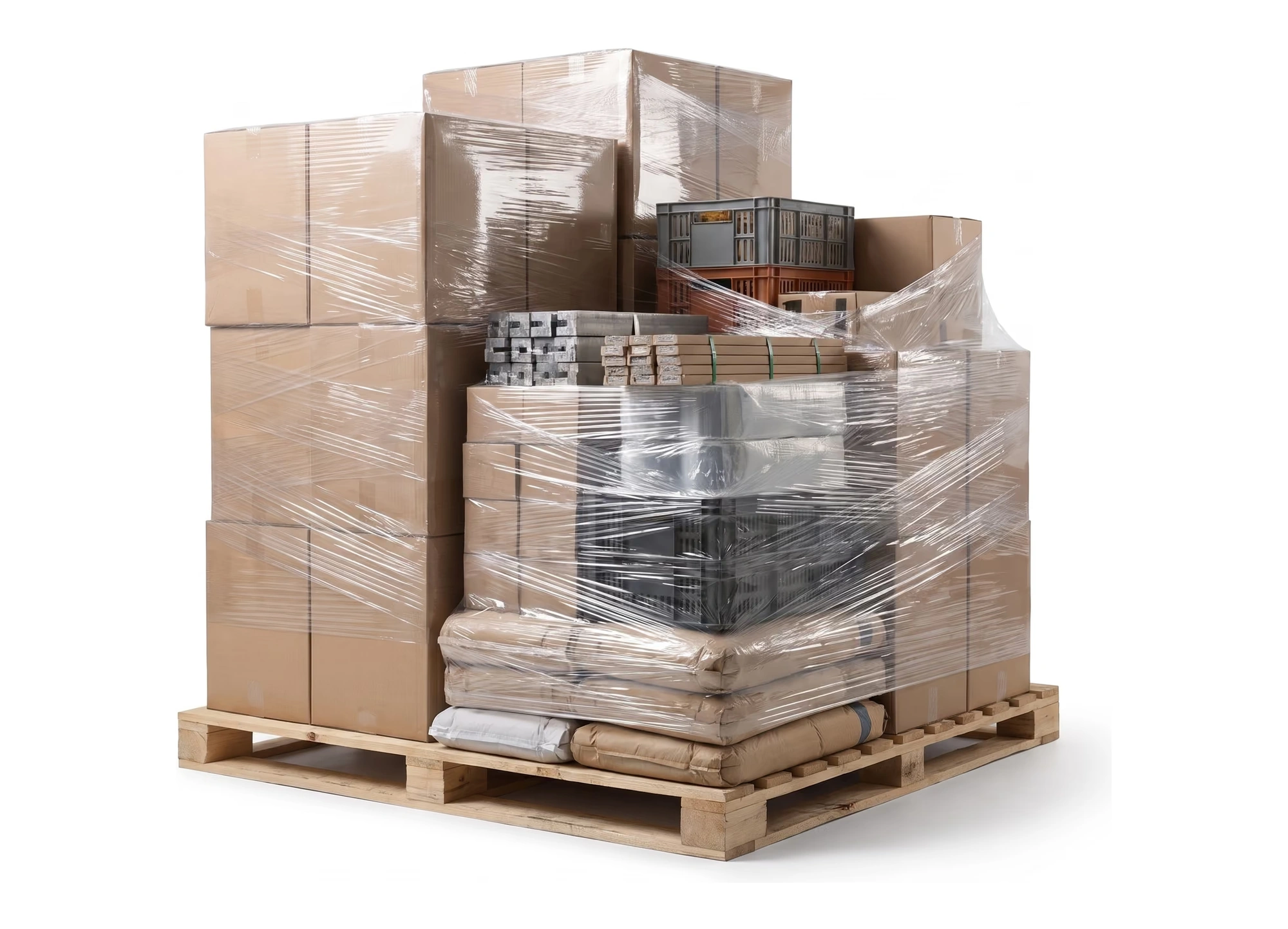
Tiles, flooring, doors, windows, sanitaryware or other building materials often look like simple freight until the real weight comes to light. A single pallet can weigh more than a tonne, so before collection you need to know whether the supplier has a suitable forklift and whether a vehicle can reach the site.
Before a collection like this, Krovanta asks for dimensions, weight and photos. If the recipient in Lithuania has no forklift or a lorry can't get in, this also needs to be factored in when the transport plan is costed.
For retail, several suppliers often matter more than one big load
A retailer may buy from several UK suppliers in the same week: one has two boxes ready, another a pallet, a third a non-standard item. In that case there's no need to send each order to Lithuania separately.
Krovanta can collect goods directly from suppliers anywhere in the UK, hold them temporarily in the UK warehouse and, where it makes sense, combine them for a shared departure. More about this model in our multi-supplier consolidation guide.
For garages and machinery companies, the actual parts matter, not a general label
An engine, gearbox, wheels or industrial parts may have a similar volume but completely different weight and securing needs. For freight like this, the description “car parts” isn't enough.
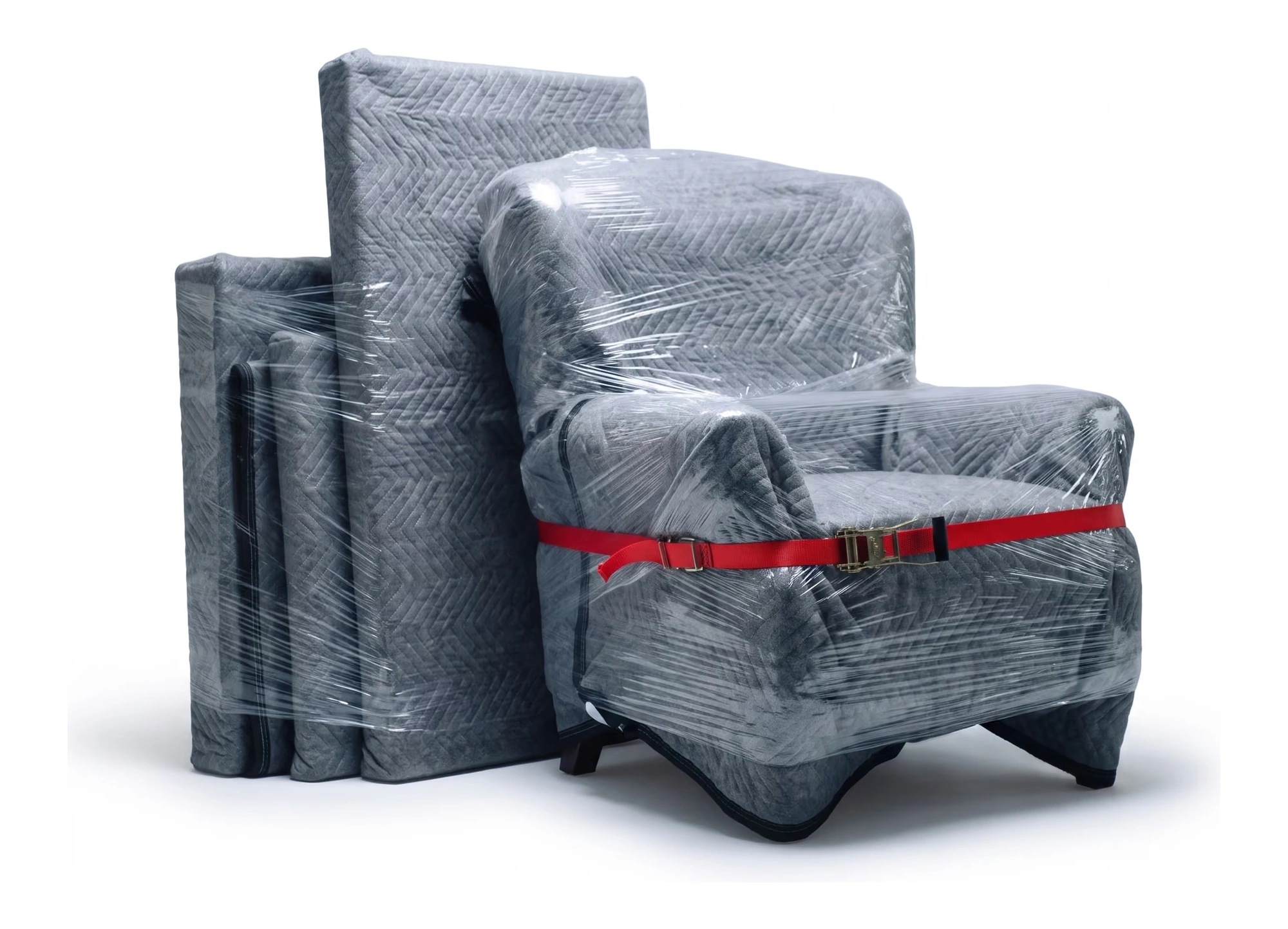
It helps to give exact dimensions, total weight, photos and whether the item is on a pallet or another solid base. If the object is heavy or has protruding parts, vehicle space is assessed on its real shape, not just m³.
For manufacturers, the supply rhythm is key
If raw materials, components or equipment parts are bought from the UK regularly, each order shouldn't be planned from scratch. It's far more useful to agree supplier ready days, collection rules and a weekly transport rhythm.
Krovanta's main UK→LT run leaves on Thursday. Freight usually reaches Lithuania at the weekend and deliveries start on Monday. For a regular business, this means supplier orders can be aligned with one clear cycle.
For e-commerce, it helps to separate supply from the last mile
If an online shop buys stock from UK suppliers, there's no need to send every small order directly to the end customer in Lithuania. It's often more sensible to collect supplier goods, consolidate them and restock in Lithuania periodically.
This model is especially useful when several suppliers have goods ready on different days. Krovanta's UK and LT warehouses can be used as staging points before the main transport or final delivery.
Not every sector suits the standard transport model
Temperature-sensitive goods, dangerous goods, products of animal origin or goods that require special licences are subject to additional requirements. The usual commercial freight process can't be applied to them automatically – the specific goods and their requirements have to be assessed first.
If you're not sure whether your goods are suitable for standard UK→LT transport, send an accurate description and, if you have it, the commodity/HS code before booking transport.
What all business freight has in common
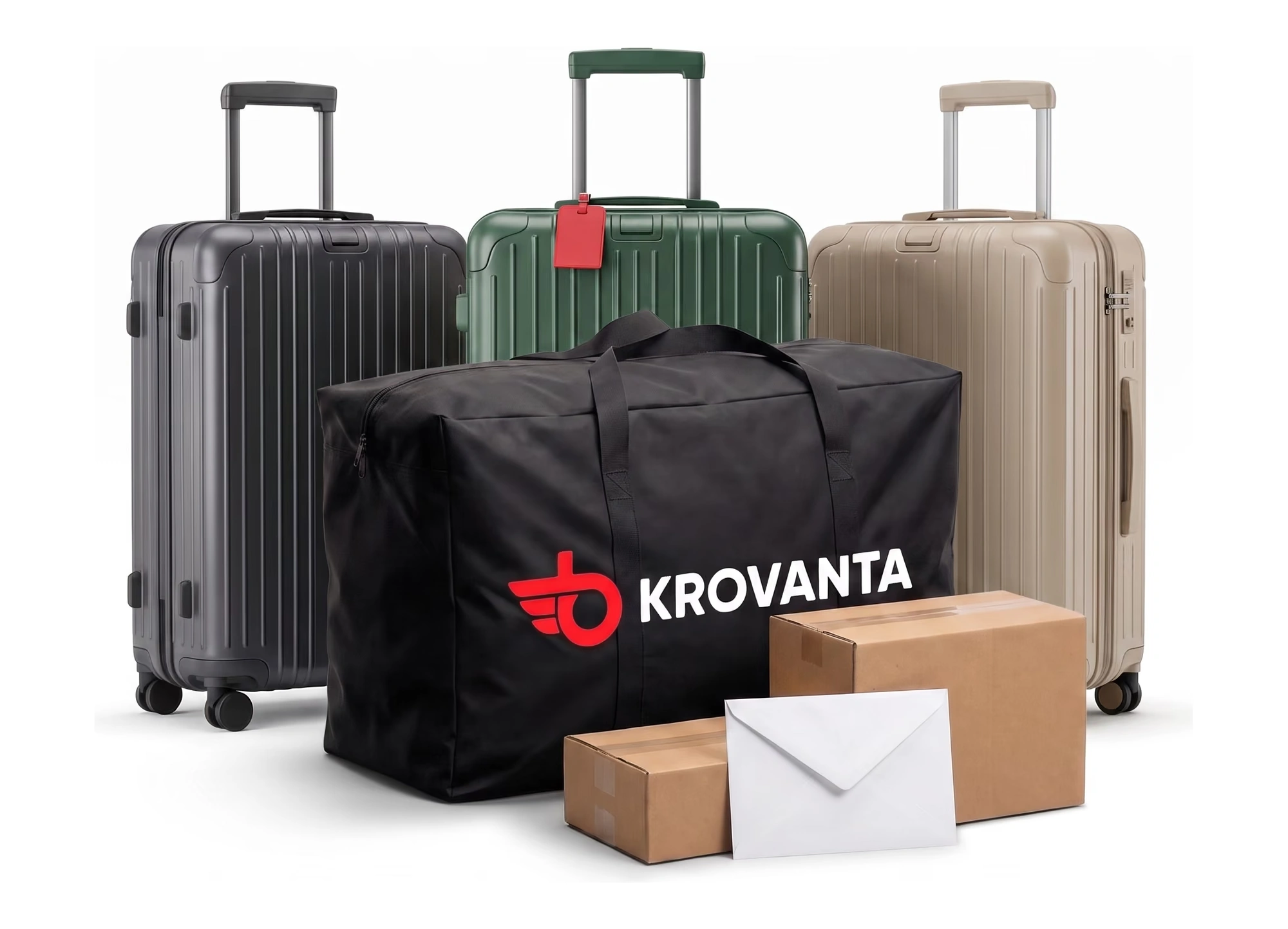
Whether you're shipping building materials, machinery parts or retail stock, a quote needs the same core details: dimensions, weight, photos, collection and delivery addresses and handling conditions.
Since Brexit, commercial goods also need an invoice, accurate product descriptions, classification and customs data. For an additional fee, Krovanta can help arrange UK export and LT import declarations.
If you'd like us to assess a specific business load, the key information is on our commercial freight UK to Lithuania page.
Frequently asked questions
Answers to the most common questions about this article.


Yes. We can collect commercial freight directly from a supplier, manufacturer or warehouse anywhere in the United Kingdom.
Yes, if the freight is suitable for shared transport. It can be collected from different UK locations and, if needed, consolidated in a UK warehouse.
We need dimensions, weight, photos, collection and delivery addresses and information about loading and unloading conditions.
No. Temperature-sensitive, dangerous or otherwise regulated goods may need special conditions and a separate assessment.
Yes. For a regular business flow, a recurring rhythm of collections and UK→LT departures can be agreed.



The services we provide