UK–Lithuania carriers: how to check a carrier before handing over your parcel
A practical carrier check before handing over a parcel or freight: company registration, written terms, insurance, customs and how to read genuine reviews.


A reliable carrier isn't simply one with lots of good reviews. Before handing over a parcel or freight, it's worth checking who actually provides the service, what terms are confirmed in writing and who is responsible for insurance and customs formalities.
When choosing a carrier for the England–Lithuania route, review stars or a low price alone aren't enough. Reliability is best checked in several separate ways: whether it's clear who provides the service, what exactly they commit to doing, what documents will be provided and how situations are handled if freight is delayed or damaged.
First, find out who the service provider is
If the carrier operates as a UK Ltd company, its name and registration number can be checked on the official Companies House register. It shows the company's status, incorporation date, registered address, directors and filed documents.
It's important to understand the limits: an entry on the register doesn't prove service quality, and Companies House clearly states that it doesn't verify the accuracy of all the information filed. Registration is one check, not a final guarantee.
If the service is offered by an individual or another legal form, ask them to state clearly in whose name the order will be accepted and who will be responsible for the transport.
The quote must make clear what you're paying for
Before handing over a parcel or freight, ask for written confirmation of at least the collection and delivery addresses, a description of the freight, the planned schedule, any agreed additional services and the payment terms.
If you're shipping a larger load, it must be clear whether the quote includes loading, carrying, storage, a smaller vehicle for the last leg or arranging customs formalities. Many disputes arise not over the journey itself but because one side assumed extra work was already included.
A reliable carrier asks about the freight, not just the address
If a carrier doesn't care at all what you're shipping, how much it weighs or what its dimensions are, be cautious. Larger or non-standard freight requires knowing the real vehicle space, loading conditions and access.
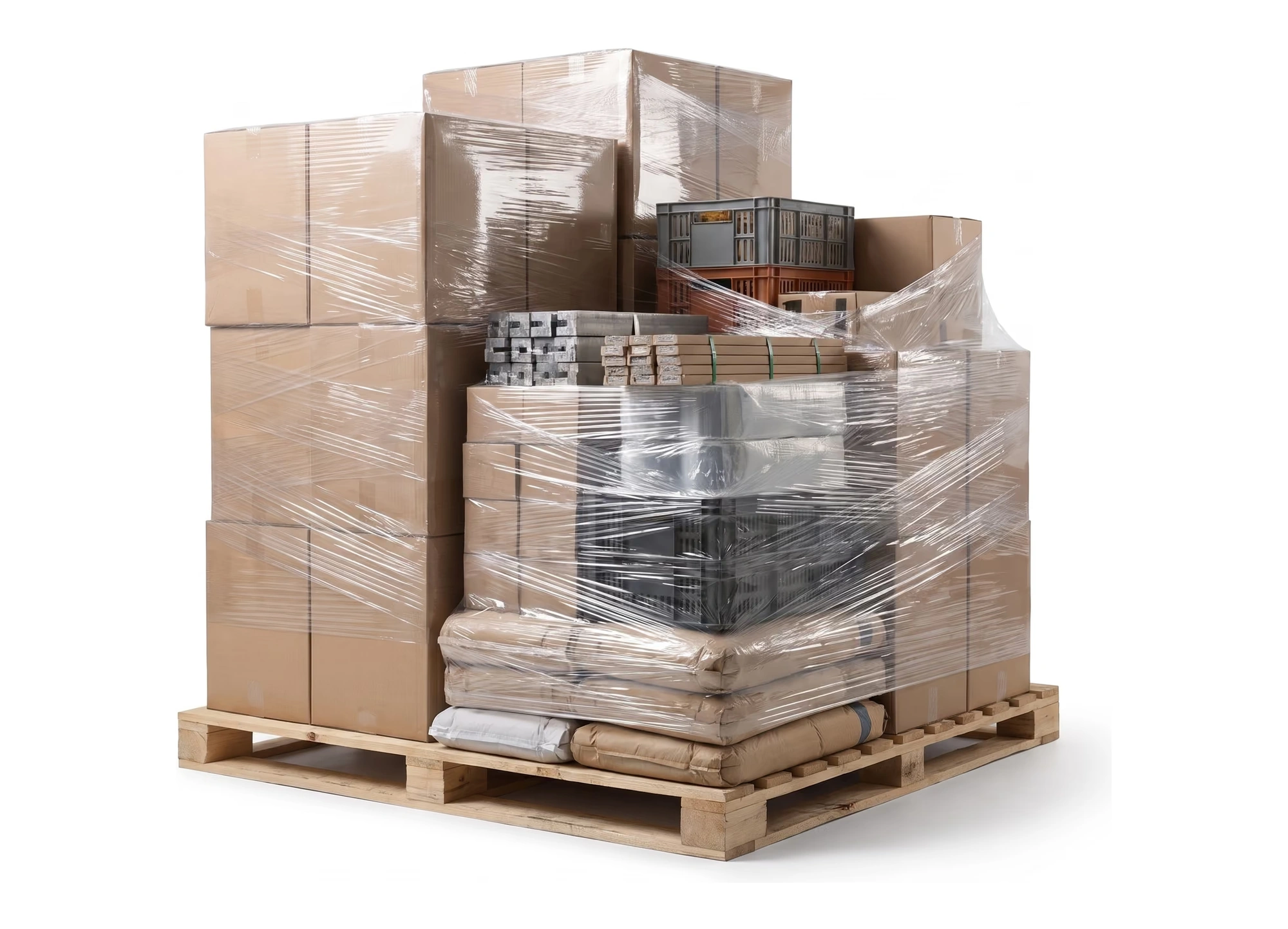
Before a more complex collection, Krovanta asks for dimensions, weight and photos. If, for example, a pallet weighing more than a tonne is being shipped, it's important to know in advance whether the supplier has a suitable forklift. Questions like these help plan the job before the vehicle arrives.
Ask about insurance, but don't stop at “we're insured”
For commercial transport, ask for an explanation of the carrier's liability or other insurance cover that applies to your freight, what the exclusions are and what you'd need to provide in the event of a claim. If the freight is valuable, ask for the insurance document or other confirmation.
The mere existence of insurance doesn't mean every item will be compensated at its full declared value in all circumstances. So understanding the terms matters more than hearing a big insurance limit.
Read reviews for their content, not just the average
The most useful reviews are those where the customer describes a specific route, collection, communication and delivery. Notice whether reviews were posted at different times, whether real situations recur and how the company responds to negative feedback.
A uniform stream of short reviews over a few days isn't as informative as a consistent track record over a longer period. It's also worth comparing Google, social media and other public sources.
Since Brexit, ask who is responsible for customs
If commercial goods are being shipped between Great Britain and Lithuania, customs procedures are a real part of the transport process. Before booking, it must be clear who prepares the UK export declaration, who arranges the LT import declaration and what documents the customer must provide.
For an additional fee, Krovanta can help arrange UK export and LT import declarations. If a carrier offers customs services, ask them to explain exactly what's included.
A regular schedule is more reliable than a vague “we're quick”
For reliable planning, it helps to know a concrete operating model rather than an abstract promise of speed. Krovanta's main UK→LT run leaves on Thursday, freight usually reaches Lithuania at the weekend and deliveries start on Monday.
Other carriers' schedules may be completely different, so before booking it's worth asking not just “how many days will it take” but when collection, the main departure and delivery are actually planned.
Red flags you shouldn't ignore
Be more cautious when a provider refuses to give company or personal details, won't confirm the order in writing, avoids explaining insurance, can't say who will handle customs or pressures you to pay quickly without explaining the terms of service.
Payment to a personal account isn't automatically proof of fraud in itself, as the legal form of a business can vary. But it must always be clear who you're paying and what document you'll receive for the service.
A quick check before handing over your freight
Before making a final choice of carrier, check their identity or company registration, ask for a written quote, find out how insurance and customs work, read more than just the best reviews and photograph your freight before handover.
If you're comparing UK→LT services, you'll find Krovanta's parcel details on our parcels UK–Lithuania page, and for larger business freight on our commercial freight page.
Frequently asked questions
Answers to the most common questions about this article.


If the carrier operates as a UK Ltd company, its name, registration number, status and filed documents can be checked on the official Companies House register.
No. The register helps confirm the company exists and shows public data, but service quality also needs to be judged on written terms, insurance, communication and real customer experience.
Ask what liability or insurance cover applies to your freight, what exclusions apply and what documents would be needed in the event of a claim.
For commercial goods this should be clear before collection: who arranges the UK export and LT import declarations and what details the customer must provide.
Not necessarily, as the provider’s legal form can vary. But it must always be clear who you’re paying, for what service and what confirmation or document you’ll receive.



The services we provide