Shipping your belongings from the UK to Lithuania: how to prepare
Stress-free shipping of your belongings from the UK to Lithuania: how to plan, what documents to prepare since Brexit and how to pack your items properly.


Planning to ship your personal belongings or business freight from the United Kingdom to Lithuania? A successful move starts with a clear plan: what you're shipping, what documents you have, how you'll pack and which service you'll choose. If you're moving home, use the number of bedrooms only as a starting guide to volume – dismantled furniture and compactly packed boxes can significantly reduce the space you actually need. Below is a step-by-step guide to help you prepare.
1) The first decision: which transport option should you choose?
There are several popular routes and service types on the market:
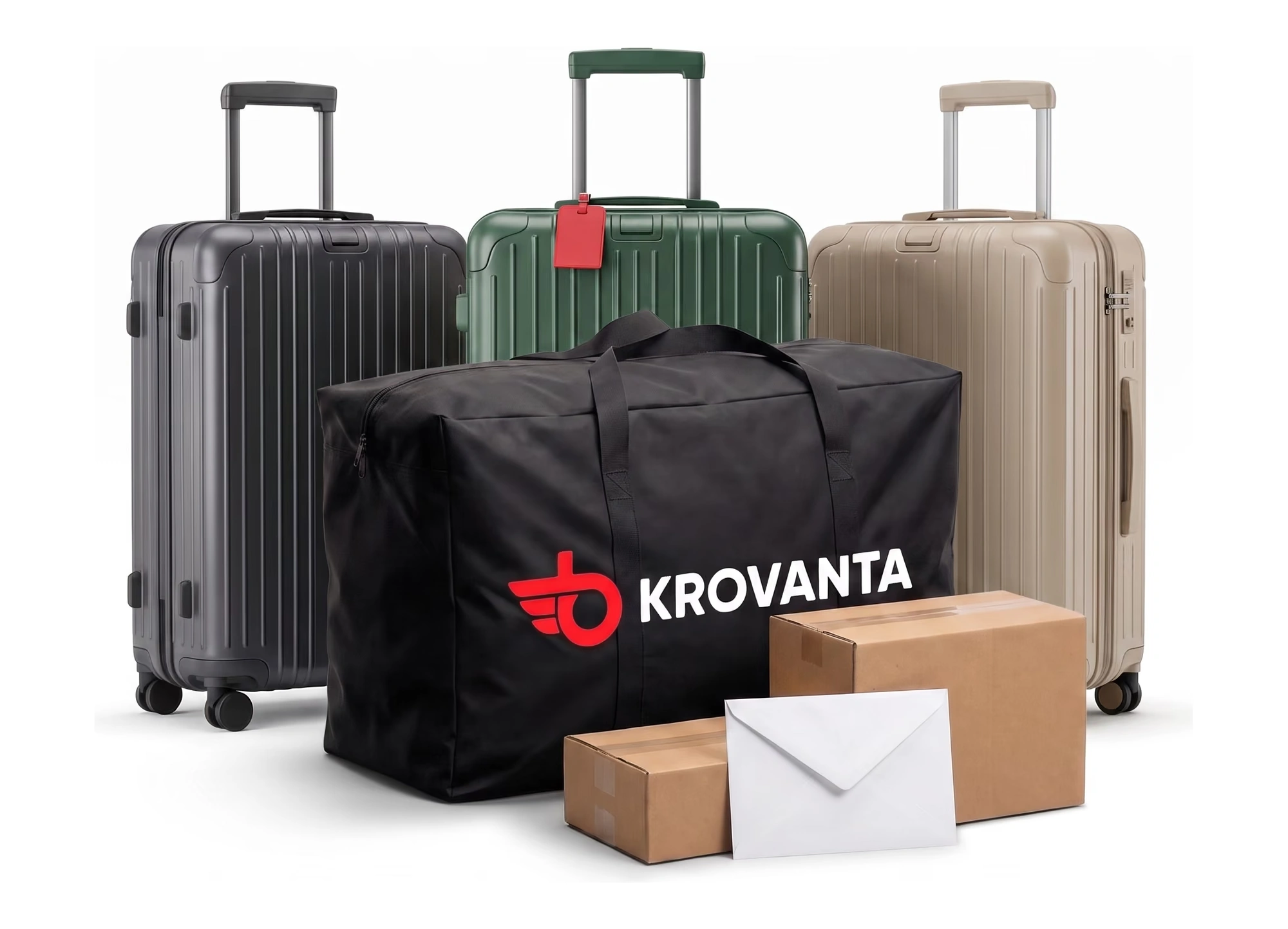
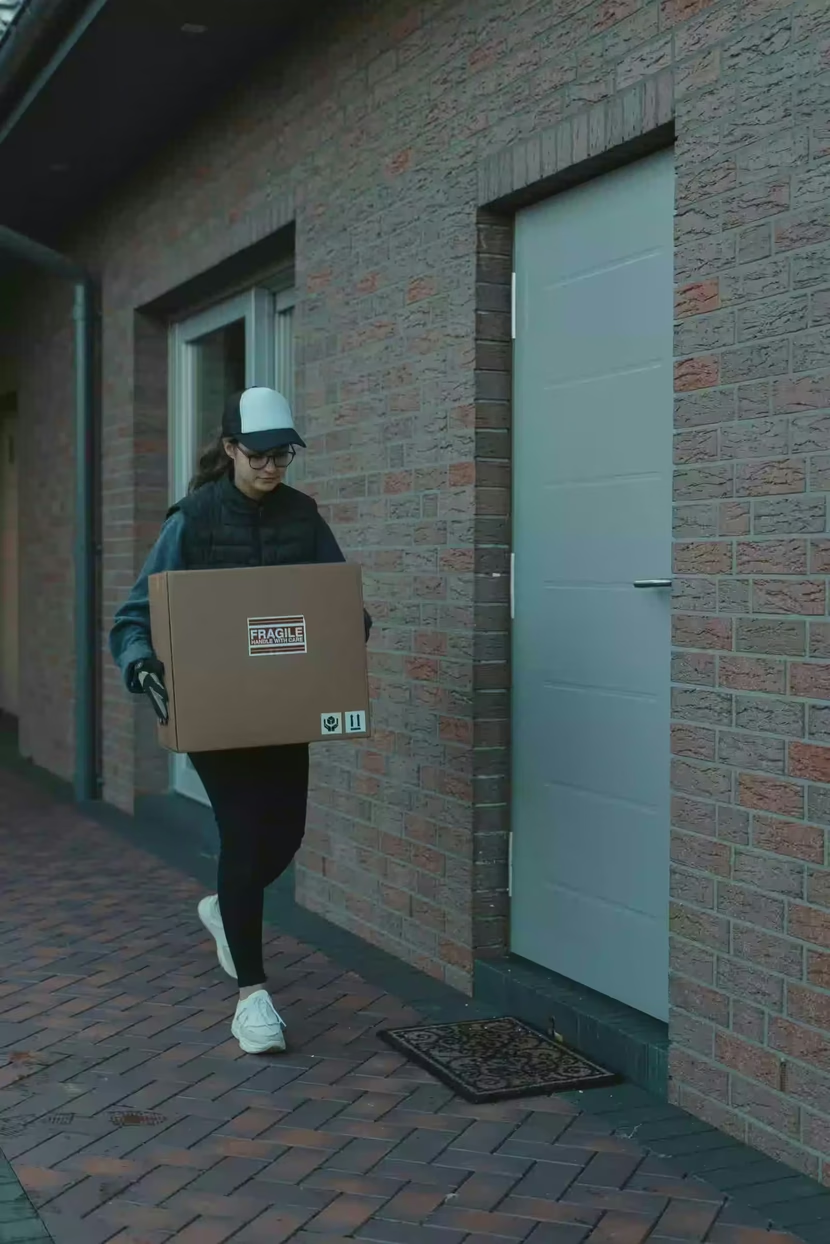
Door-to-door parcel delivery. The driver collects the parcel from your door in the United Kingdom and delivers it to the recipient in Lithuania. Handy when you have 1–10 boxes, household appliances or individual pieces of furniture.
Removal services (UK–LT). Suitable when you're moving a whole household: furniture, appliances, sports equipment and clothes. Help with packing, removal and delivery is often offered.
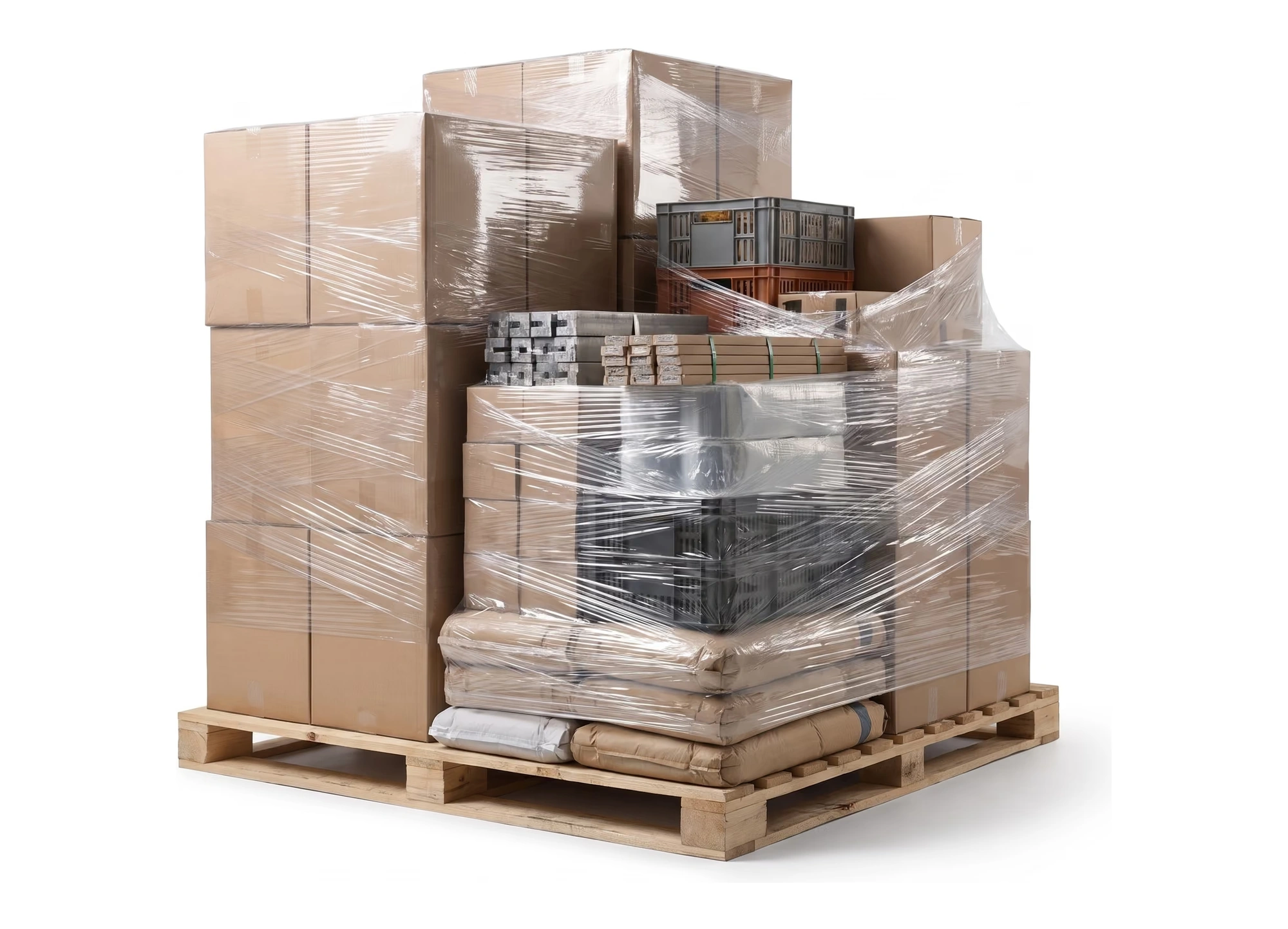
Part-load transport. If your load is larger but doesn't fill a whole lorry, your belongings will travel together with other customers' shipments – you only pay for the space they take up. This is often one of the most economical options when priced by volume (m³).
Express transport. More expensive but faster; suitable for urgent documents or valuable small items.
If you're not sure, start by estimating the volume and weight of your shipment: measure the boxes (length × width × height), add up the total volume of all the boxes and weigh them. This will help you get accurate prices and avoid price changes.
2) Documents since Brexit: what do you need to prepare?
Since the United Kingdom left the EU, customs documents may be required for personal belongings and business shipments. The documents most often required are:
- A packing list with item descriptions, quantities and estimated values.
- An invoice/pro forma invoice (especially for business shipments or new items).
- Recipient and sender details (name, surname, address, phone number, company number/VAT number if applicable).
- Confirmation that the items are for personal use (when moving home).
It's always worth checking specific duties or VAT with the carrier or a customs broker. Many carriers offer document preparation and customs brokerage services, which save time and hassle.
3) What can and can't be shipped?
General guidelines:
- Permitted: clothes, books, household items, bikes, packed household appliances, computer equipment, children's goods.
- Take care with: alcohol, tobacco, food and cosmetics – quantity or value limits often apply and a declaration may be required.
- Prohibited: weapons and weapon parts, aerosols (depending on quantity), dangerous chemicals, perishable goods without special conditions.
Always check the carrier's list and customs rules, as they may change.
4) Packing: how to protect your belongings in transit
Proper packing is the most important part of preventing damage.
- Boxes. Choose sturdy, double-wall corrugated boxes. Don't overload them: one box – up to ~20–25 kg.
- Filling. Bubble wrap, kraft paper or foam chips. Empty space in a box is your enemy.
- Fragile items. Wrap them individually, mark “FRAGILE” and add extra corner protection. Stand glass and ceramics upright.
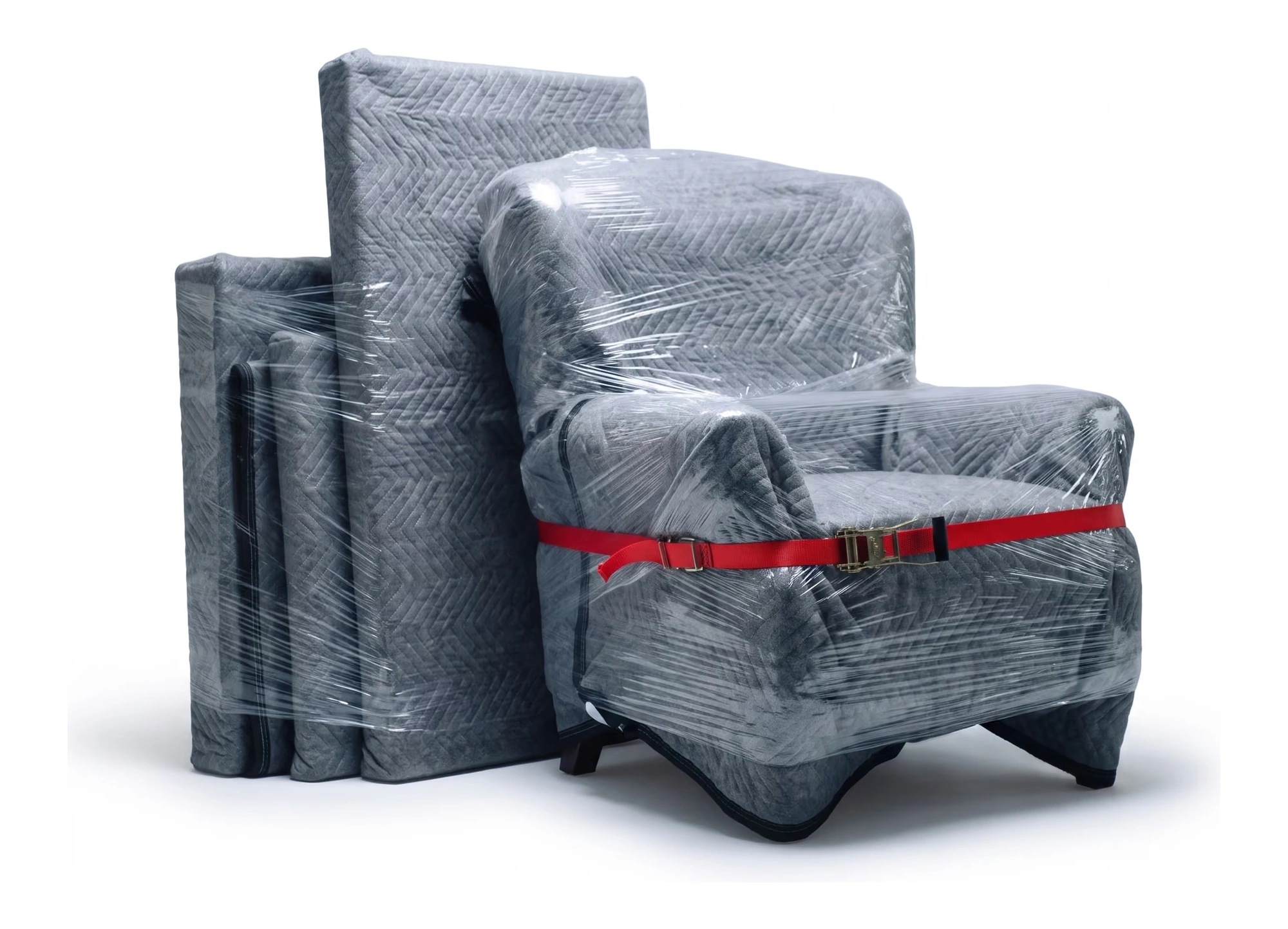
- Furniture. Dismantle if possible. Protect edges and corners with foam, and use stretch wrap and furniture covers.
- Appliances. Secure moving parts and keep them upright (especially fridges).
- Labels. On every box, write the sender's and recipient's contact details and a number (e.g. 1/12, 2/12 and so on).
- Inventory. Photograph the contents – this helps with insurance and unpacking.
5) Price: what does it depend on?
If you're moving the contents of a whole home, the main guide is the real volume. The number of bedrooms only helps you start the calculation; the final volume depends on the size of the furniture, whether it's dismantled, and how many boxes, appliances and other items you have.
In the Krovanta calculator the starting guide is: 1 bedroom – from 3 m³, 2 bedrooms – from 5 m³, 3 – from 7 m³, 4+ – from 11 m³. We take a UK “1 bedroom” to mean a home with one bedroom and a living room / kitchen area. These figures aren't a fixed home volume.
Before calculating, dismantle (or plan to dismantle) beds, wardrobes and tables and pack boxes compactly. Then adjust the volume in our removals calculator to the real amount of your belongings. We'll confirm the final price after assessment.
6) Timings and planning
Standard transport of belongings from the United Kingdom to Lithuania usually takes anywhere from a few days to a few weeks, depending on the type of service, the number of items and the documents. To keep the schedule smooth:
- Book your space in advance, especially in the holiday season.
- Choose a collection time and make sure someone is at home then.
- Give accurate addresses with postcodes, access instructions and information about lifts.
- Check whether tracking is included; it lets you follow your shipment with peace of mind.
7) Insurance
If you're sending valuable or fragile items, check the insurance terms in advance. Find out:
- What's the excess?
- Is the full value insured, or is there a limit per kilogram/m³?
- What's the procedure and deadline for reporting damage?
Krovanta parcels and removals are covered by CMR insurance, which is included in the price. Let us know about valuable items in advance.
Frequently asked questions
Answers to the most common questions about this article.


If you’re moving home, the most accurate price is based on real volume. In the calculator we start a 1-bedroom home at 3 m³, 2 bedrooms at 5 m³, 3 at 7 m³ and 4+ at 11 m³. This is only a starting guide; adjust the volume to the real amount of your belongings and whether the furniture will be dismantled.
The final price depends on: the volume and weight of the load; the distance and UK–LT route; the service level (door to door, carrying, packing); urgency and additional services (storage, special packing).
On average 4–7 days, depending on the route, the size of the load and the type of service chosen.
Yes. Freight insurance is included in the transport service, so your belongings are protected throughout the journey. Important: insurance only covers properly packed items. If in doubt, we recommend professional packing.
Yes. Part-load is an economical option when you don’t need a whole vehicle. You only pay for the space your belongings take up.



The services we provide