How to cut the cost of commercial freight between the UK and LT
Commercial freight between the UK and Lithuania doesn’t have to be expensive. What drives the price and how businesses can strategically cut logistics costs.


Transporting commercial freight between the UK and Lithuania is a vital link for many businesses, from retail and manufacturing to e-commerce. But high logistics costs are a common challenge that can squeeze profitability and hold back growth.
The good news is that these costs can be optimised. Below are concrete steps to reduce costs when choosing part-load and commercial freight from the UK to Lithuania, without compromising on service quality.
1. Choose part-load (LTL) if you don't need a whole lorry
Many companies overpay for half-empty loads. If you don't have a full load, choose part-load transport (LTL – Less than Truck Load), where your shipment travels together with other freight.
Benefits:
- You only pay for the space you use
- No need to wait until a full load builds up
- The schedule can be more flexible
2. Optimise packing – fit more in for less
Oversized or poorly packed freight takes up more space than it needs to. Solutions:
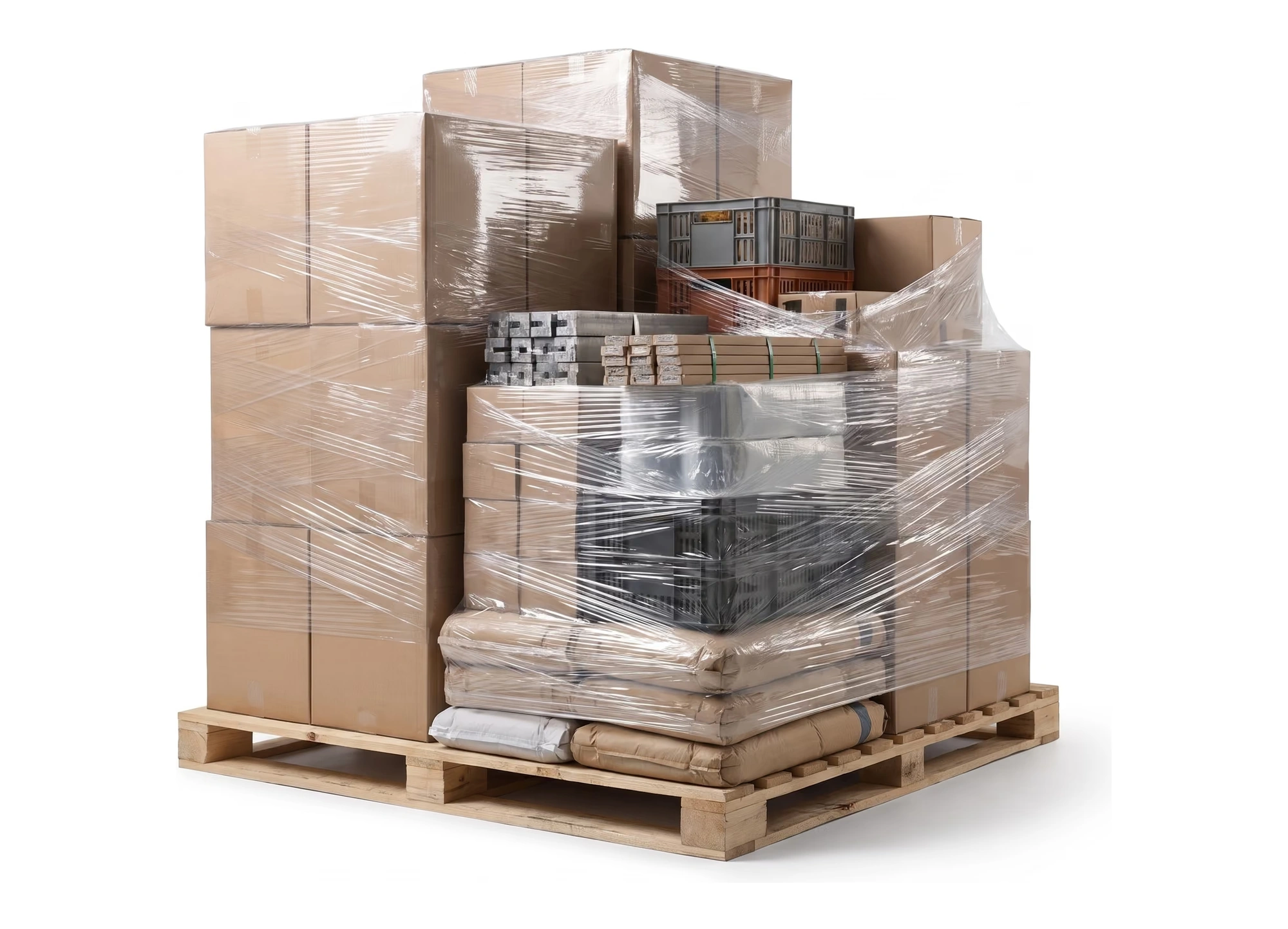
- Use pallets and stack goods vertically
- Avoid oversized boxes – they push up transport costs
- Bring in professionals who will work out the optimal packing
Less volume = lower transport costs.
3. Consolidate shipments
If you ship more than once a week, consider:
- Consolidating shipments (one transport for several shipments)
- Warehousing close to the main routes (e.g. at a UK or LT logistics centre)
- Sending to several customers in one vehicle if they're in the same region
This approach not only cuts costs but also gives you better control over delivery times.
4. Negotiate long-term rates
One-off orders are often more expensive than long-term partnership agreements.
Tips:
- Work out the volume of freight you ship each month
- Approach logistics companies with a proposal for ongoing cooperation
- Negotiate volume-based pricing
This gets you better terms, avoids seasonal price spikes and makes budgeting more accurate.
5. Avoid extra charges: customs, insurance, storage fees
Customs costs
- Provide the correct documents – mistakes cause delays and extra costs
- Use a customs broker to avoid fines
Insurance
- Essential for some freight
- But don't overpay for excessive cover – value the goods accurately
Storage fees
- Delayed unloading at warehouses or terminals costs money
- Plan delivery precisely to avoid extra days
6. Use logistics partners with an “all-inclusive” service
Some companies offer end-to-end solutions:
- Packing + transport + customs + delivery
- A single point of contact
- Transparent pricing with no hidden fees
Solutions like these often save not only money but also time and staff resources.
7. Automate processes
If you work with larger volumes, it's worth:
- Using order management systems (OMS)
- Integrating logistics partners' tracking systems
- Automatically generating labels, invoices and declarations
Fewer mistakes = fewer costly hold-ups.
8. Choose the right service level
Not all freight needs express transport. Sometimes:
- Standard transport (4–7 days) is significantly cheaper
- It's worth mixing – send urgent freight separately and the rest economically
Related services
- Part-load transport UK–LT
- Commercial shipment consolidation
- Warehousing and packing solutions
- Customs brokerage for business
Frequently asked questions
Answers to the most common questions about this article.


Not always – if you have close to a full load, FTL (a full truck load) may be more economical.
At least every 6–12 months, or whenever your shipping volumes change.
Yes – it lets you put shipments together faster and reduces how often you need transport.
Typically 10% to 30%, depending on how efficient your current setup is.
Yes, but many logistics partners offer integrations without major investment.




The services we provide