Shipping items from England to Lithuania – what you can and can’t send
Sending or shipping items from England to Lithuania? Which items are allowed, what you can’t send and what documents are needed since Brexit. A practical guide.


When shipping items from England to Lithuania, it's important to know not only about prices and delivery times but also what you can send and what's strictly prohibited. Brexit changed things – now you need to follow not only parcel companies' rules but also customs requirements.
In this article we give you a clear guide: which items you're allowed to send, which you aren't, and how to prepare so your parcel reaches Lithuania safely.
Permitted items – what can you send?
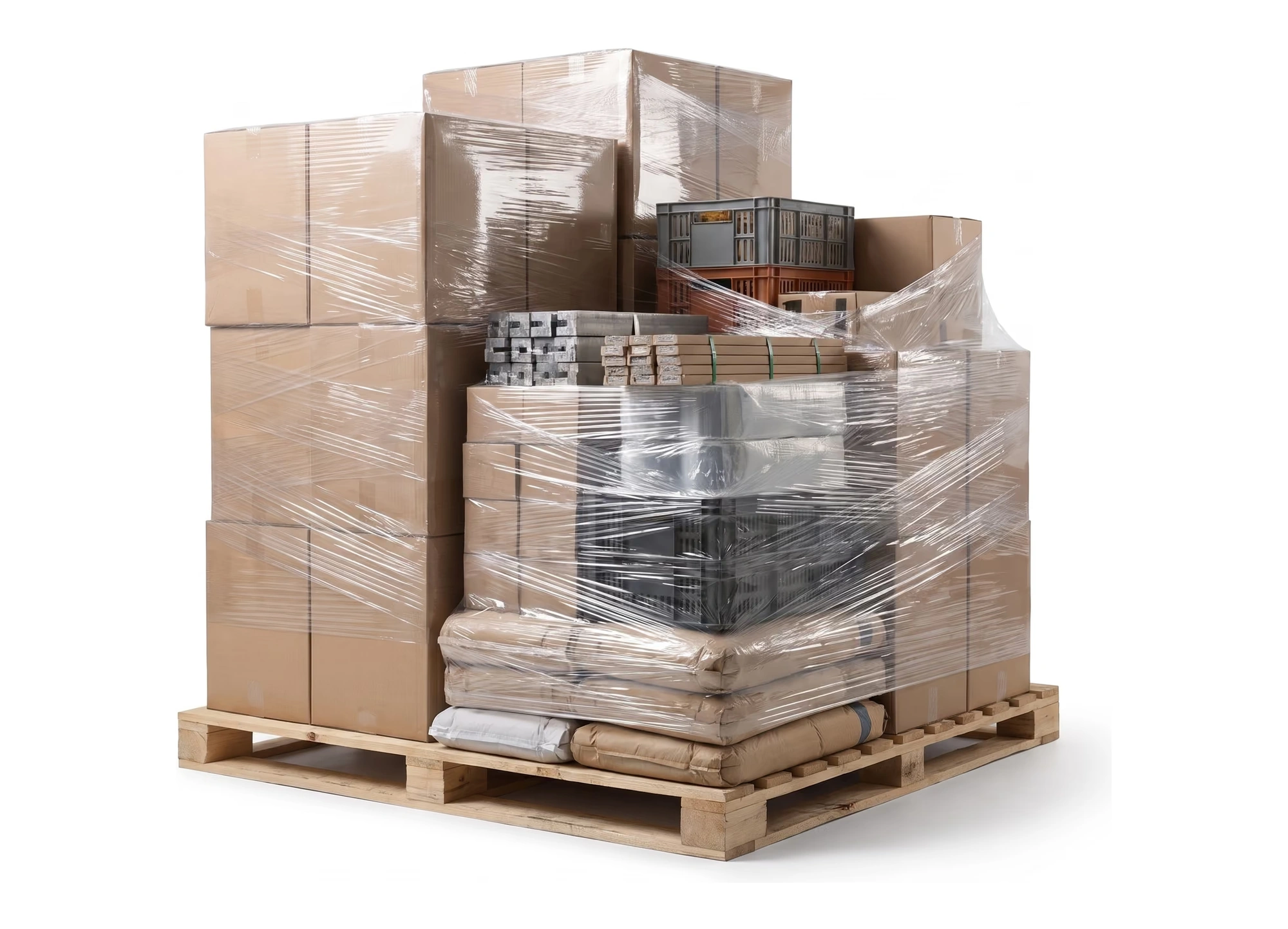
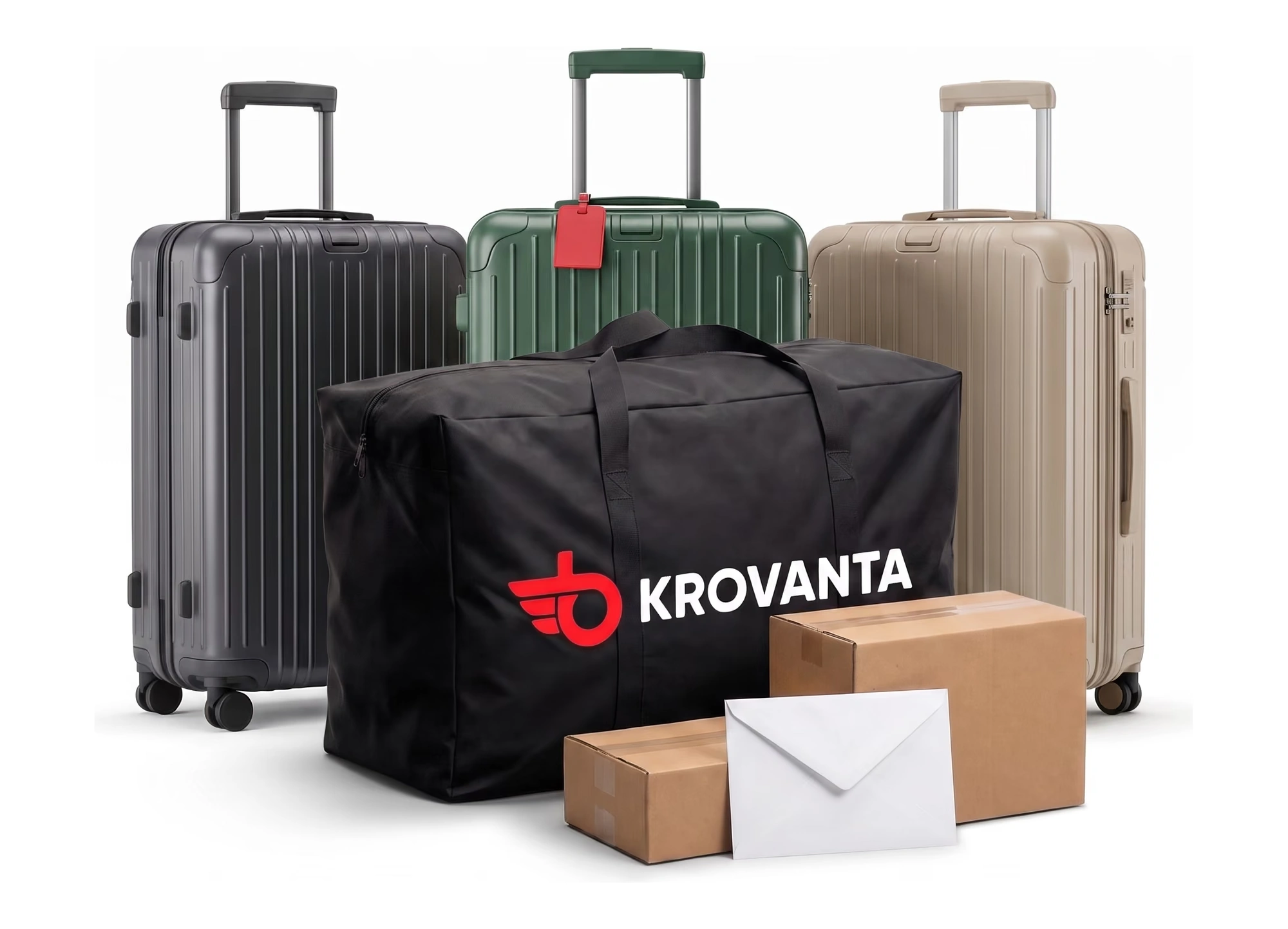
Most everyday items can be shipped both via courier services and with freight transport services:
- Clothes, footwear
- Household appliances (e.g. microwaves, kettles)
- Electronics (phones, computers, chargers)
- Personal belongings – books, toys, sports equipment
- Food (limited, see below)
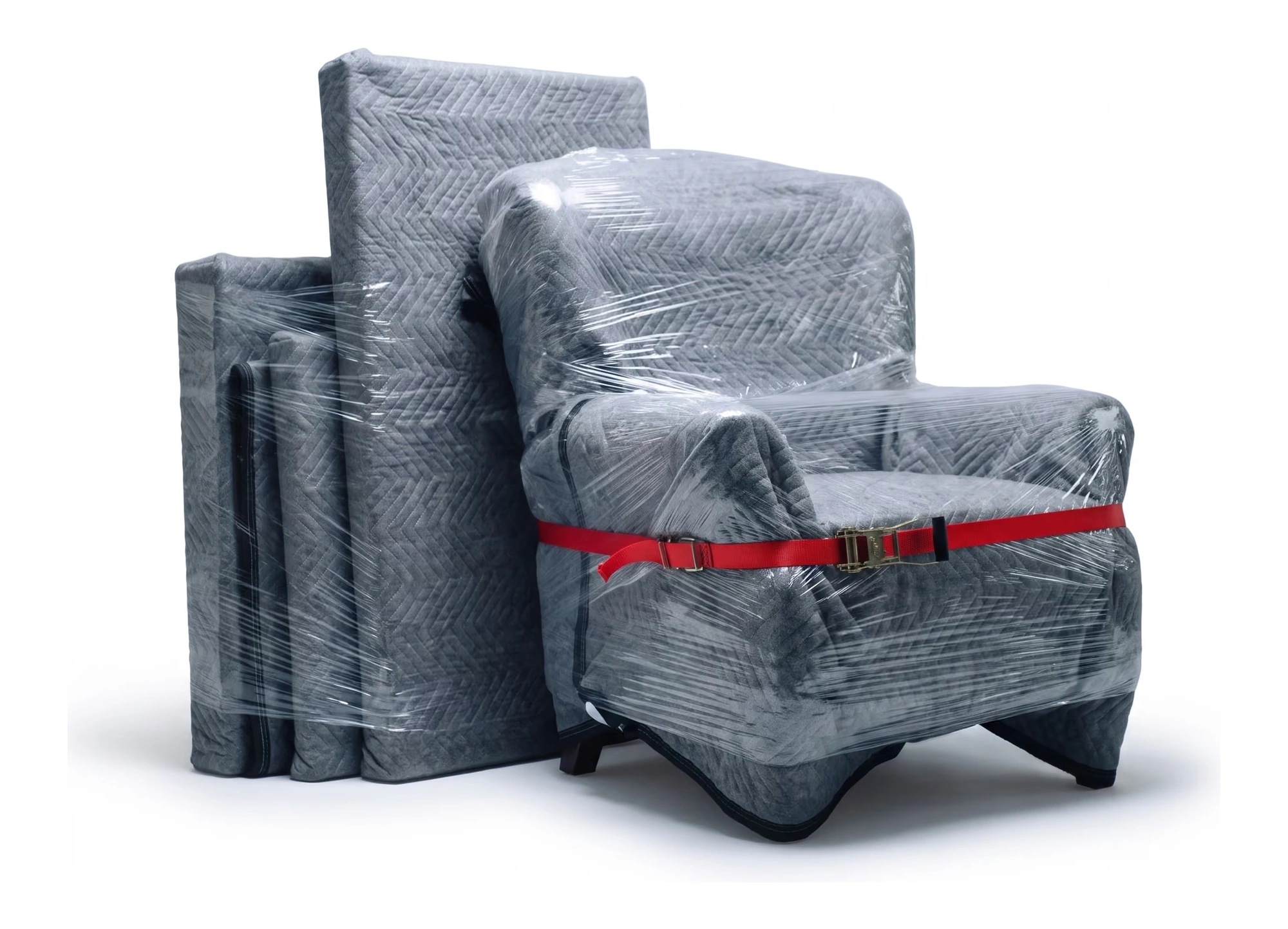
- Furniture, interior items
- Car parts (with restrictions)
Important: all items must be properly packed and labelled, and in some cases a prior customs declaration may be required.
What can't you send?
There's a strict list of items that must not be included in parcels or freight:
1. Weapons and ammunition
Shipping any weapons, weapon parts or ammunition is completely prohibited – even if registered.
2. Narcotic and psychotropic substances
Any drugs, even with a doctor's prescription, are not permitted without the proper documents.
3. Alcohol and tobacco
Prohibited in large quantities. Small quantities are allowed only with a declaration and payment of duty.
4. Food containing animal-derived ingredients
Since Brexit, strict restrictions apply – you can't send meat, dairy products, butter, yoghurt and so on.
5. Dangerous substances
Explosives, paint, gas cylinders, wet-cell batteries – anything that could pose a danger in transit.
6. Cash and securities
You can't send cash, cheques or securities.
What do you need to know about customs?
Since 2021, all parcels from England are imports into the EU, so the following may apply:
- Customs duty and VAT
- Import declarations
- Proof of origin documents
When does a parcel need to be declared?
- If you're sending goods above a certain value threshold (often €45–€150). Krovanta customs brokerage – £100–£150.
- If you're sending new items (e.g. bought online).
- If you're shipping a commercial consignment (not for personal use).
Any parcel service or freight company can help with the declaration procedure, but it's important to provide:
- Accurate descriptions of the items
- An estimate of their value
- Invoices or proof of purchase (if needed)
How to prepare your parcel properly
- Pack it securely – use sturdy boxes and bubble wrap, and tape it up.
- Label the contents – state on the label what's in the parcel (e.g. “clothes”, “electronics”).
- Give the recipient's details clearly – first name, surname, address, contact number.
- Check the parcel lists – every company has its own list of permitted/prohibited items.
What if you're not sure?
If you're unsure whether a particular item can be sent, always check with the transport company or courier service. It's better to check in advance than risk your parcel being held or destroyed.
Related services
These services are especially relevant to this topic:
- Parcels from England to Lithuania
- Part-load transport
- Customs brokerage services
- Parcel packing and document preparation
Frequently asked questions
Answers to the most common questions about this article.


No, sending food containing animal-derived ingredients (meat, milk) is prohibited. Exceptions apply only to hermetically sealed products of non-animal origin.
If they aren’t new and are for personal use only – usually not. Still, it’s worth having a list of them and an approximate value.
You can mark the parcel as “personal” or a “gift”, but the value must still be stated. Above a certain amount, duty may be payable.
Yes, but we recommend packing it securely and stating the value of the parcel. Sometimes it needs to be declared to customs.
Krovanta parcels are insured – insurance is included in the price. If you’re sending expensive or fragile items, state their value in advance and pack them well.



The services we provide