E-commerce parcel logistics between the UK and Lithuania – how it all works
Selling online between the UK and Lithuania? How e-commerce logistics works, which stages matter most and how to ensure fast, reliable parcel delivery.


E-commerce is growing fast, with more and more businesses trading between the UK and Lithuania. But great customer service takes more than an attractive product – it needs efficient logistics too. That's where a parcel's journey from the warehouse to the end customer begins.
In this article we look at how e-commerce parcel logistics between the UK and Lithuania works, the stages the process is broken into, what documents are needed and what to do to keep customers happy.
1. From order to delivery – the main stages
Receiving the order
- The customer places an order through the online shop
- The system automatically records the details: products, quantities, delivery address
Preparing the order
- Goods are picked from the warehouse
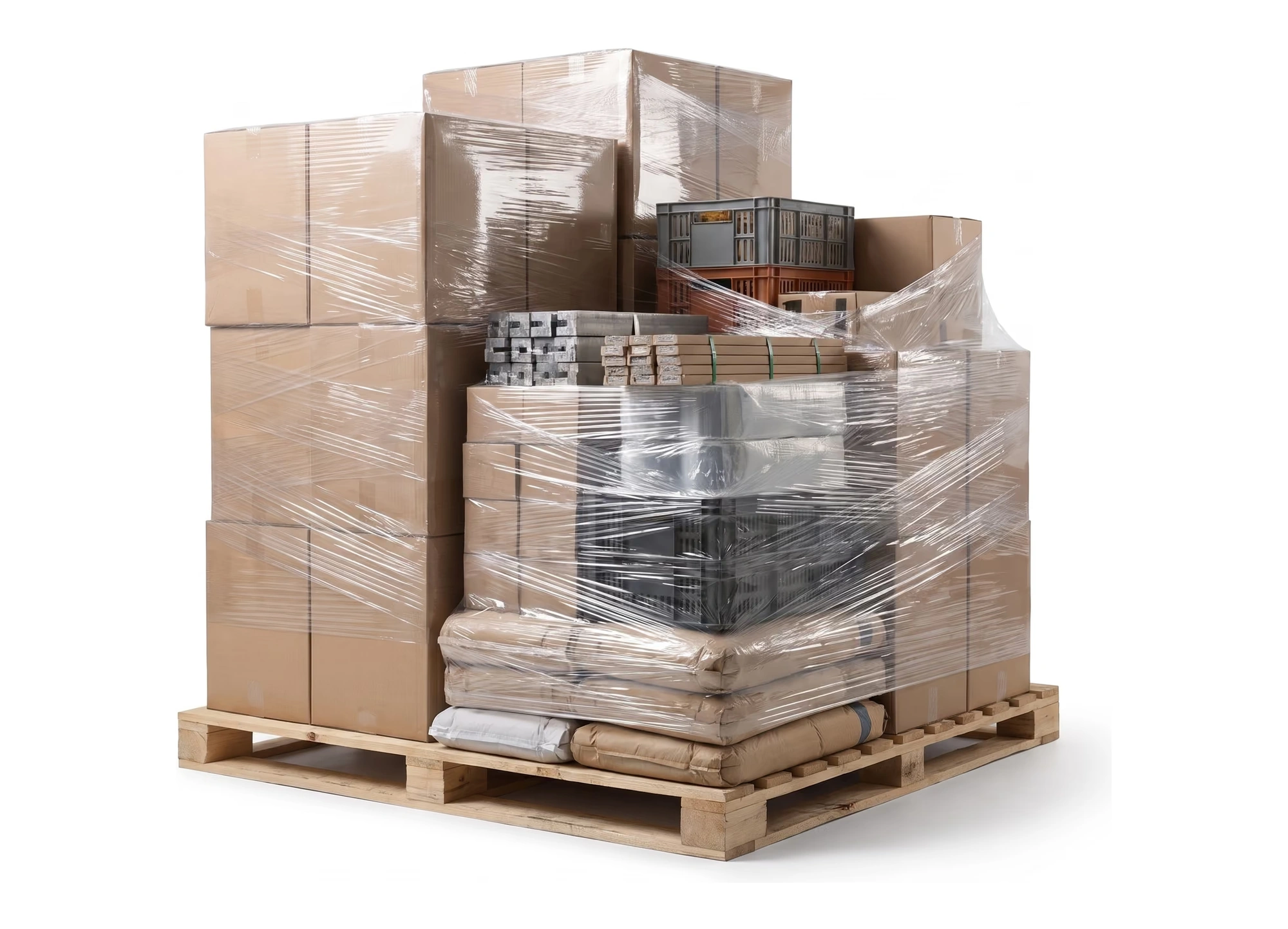
- Packed (to specific requirements if needed)
- Labelled with tracking numbers
Transport UK–LT
- Parcels are handed over to a carrier or courier
- They can be shipped directly or consolidated with other shipments
Customs procedures
- Since Brexit, a customs declaration is required
- You need an invoice, packing list and EORI number
Delivery to the customer
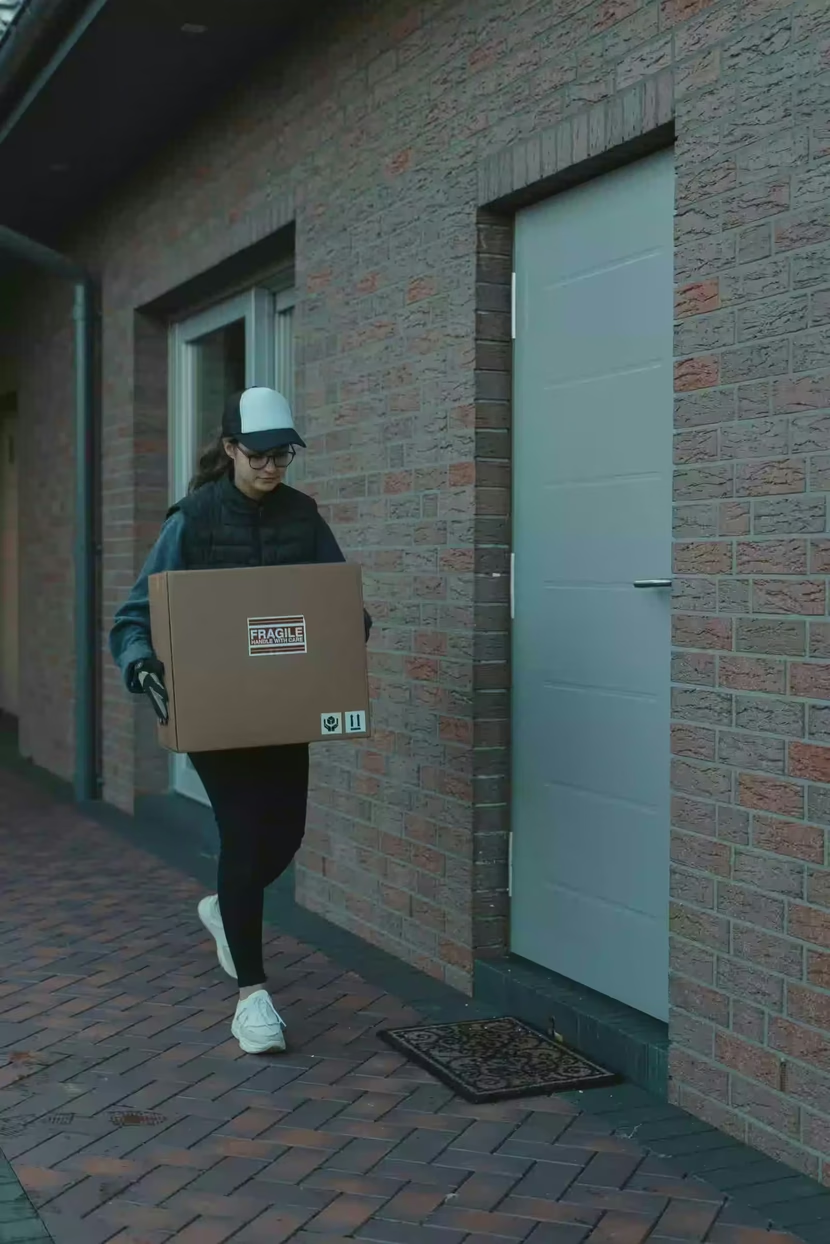
- The parcel is delivered to the door or to a pick-up point
- Tracking is essential
2. Logistics models: which system suits you best?
The dropshipping model
- Goods are sent directly from the supplier (often from the UK)
- No need for a warehouse in Lithuania
- Drawbacks: longer delivery times, less control
Warehouse storage (fulfilment)
- Goods are stored at a logistics centre in the UK or LT
- Orders are prepared automatically
- Advantages: fast delivery, clear stock management
The hybrid model
- Combines supply from the UK with holding some stock in LT
- Flexible and adaptable to different business models
3. What do you need to know about customs since Brexit?
Documents:
- Commercial invoice
- Packing list
- EORI number (mandatory for businesses)
- Certificates of origin, if required
Charges:
- Import VAT
- Customs duty (for some goods)
- Courier admin fees
Important: the value of the goods and their purpose (commercial or gift) determine whether charges apply.
4. How to keep customers satisfied
Fast and accurate delivery
Clear communication – updates on parcel status
Flexible delivery options (courier, terminal, parcel locker)
The option to return goods (important under e-commerce law)
Customers value transparency and speed – a bad experience due to delays or poor packing can damage your reputation.
5. What do professional logistics partners offer?
- Warehousing and order picking (fulfilment)
- Packing, labelling and tracking
- Preparing customs documents
- Integration of different delivery methods
- Reports on orders, stock and returns
When choosing a partner, make sure they can handle commercial freight from the UK to Lithuania and manage the whole chain from receiving goods to the customer's door.
Related services
- E-commerce logistics UK–LT
- Fulfilment services in Lithuania
- Declaring commercial shipments
- Warehousing and order preparation
Frequently asked questions
Answers to the most common questions about this article.


No – since Brexit, all commercial shipments must be declared.
No, but it improves delivery speed and customer service.
It depends on the volume of goods, the scope of services and the warehouse location – from a few euros per order.
Yes – many logistics partners offer API integrations with Shopify, WooCommerce and others.
A logistics partner can receive, register and store returned goods – which helps you keep control.



The services we provide